Flatbed Hire Hackney
Call +44 20 8154 5320

Hackney open-bed hire planning guide

Flatbed and dropside hire for Hackney workshops, trades and homes

Moving long timber to a Hackney workshop or pallets to a terraced street? Start by measuring the whole job before you choose an open-bed vehicle: its overall size, plated weights, licence category, how the load is restrained and where you can legally stop to load and unload safely.

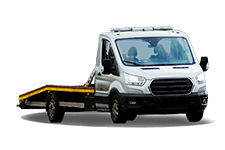
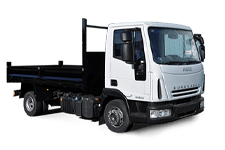
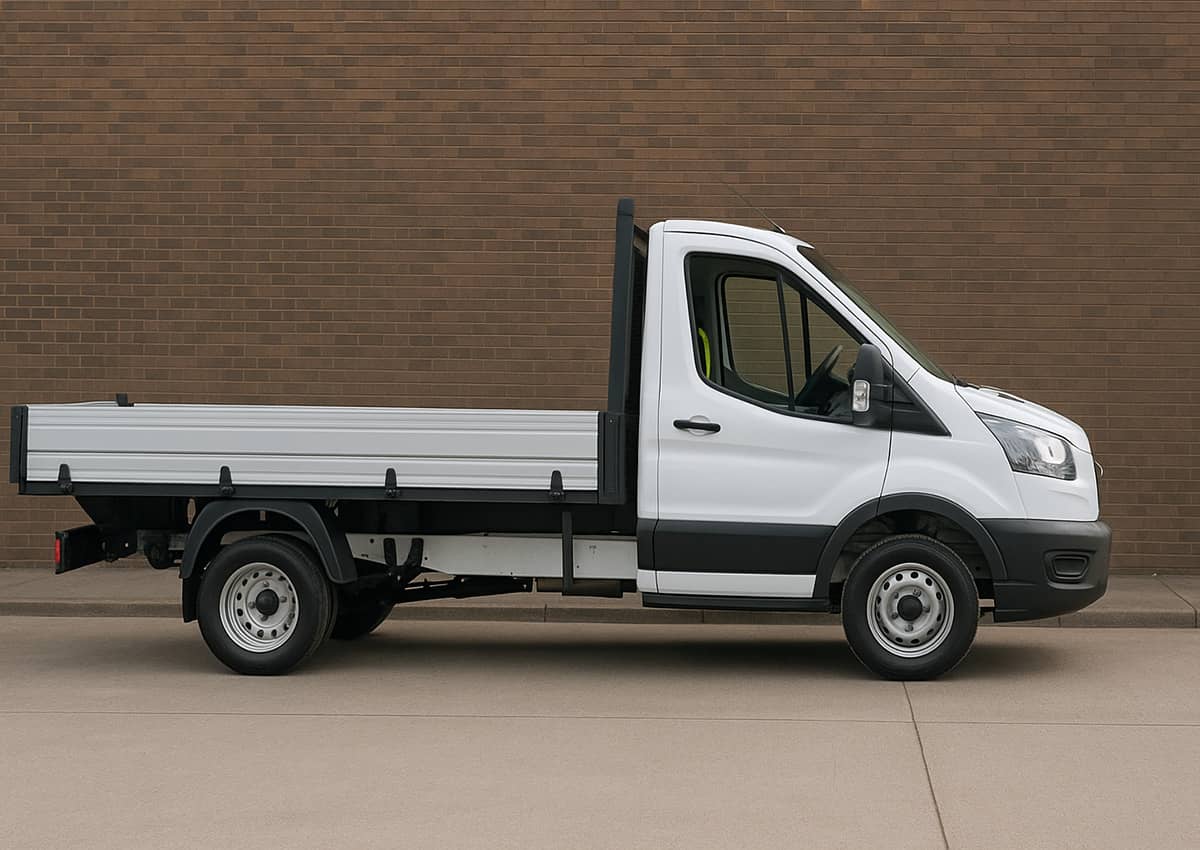
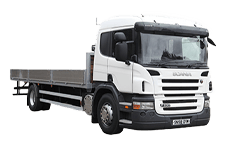
Representative flatbed truck; allocated vehicle must be confirmed

Speak to the flatbed booking team

+44 20 8154 5320

Choose from the load, not the badge

Flatbed and dropside options for Hackney

These are representative vehicle categories. Weight class is not cargo payload: the allocated vehicle’s actual payload, bed dimensions, equipment, driver requirements and availability must all be confirmed before booking.

3 metre dropside van hire category

Flatbed and dropside category

3 metre dropside van

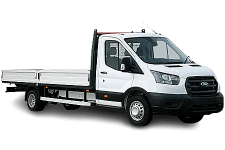
A compact open-bed category with folding sides for trade loads and sites where a larger lorry would be awkward.

  • timber, fencing and boards
  • bagged or palletised materials
  • tools and smaller machinery
Cargo payload
1100 kg (representative)
Bed length
3 m (representative)

The published 1,100 kg figure is representative only. Confirm the allocated vehicle's payload, bed width and load restraint.

Enquire about this vehicle
4 metre dropside van hire category

Flatbed and dropside category

4 metre dropside van

A longer open-bed category for loads that need more deck length or side access than the shorter dropside.

  • long timber and pipe
  • palletised site supplies
  • event and landscaping materials
Bed length
4 m (representative)
Bed width
2 m (representative)

Published dimensions are representative. Confirm actual payload, body dimensions and overhang rules before booking.

Enquire about this vehicle
Dropside with tail lift hire category

Flatbed and dropside category

Dropside with tail lift

An open-bed option to discuss when a suitable tail lift may help with palletised or wheeled goods.

  • palletised loads
  • wheeled equipment
  • destinations without a loading dock
Bed length
4 m (representative)
Bed width
2 m (representative)

Tail-lift capacity is not vehicle payload. Confirm both figures, platform size, pallet-truck use and unloading surface.

Enquire about this vehicle
7.5 tonne dropside lorry hire category

Flatbed and dropside category

7.5 tonne dropside lorry

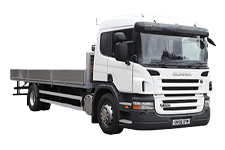
A larger dropside category for longer, heavier or multi-pallet loads when the route, driver and unloading plan suit a lorry.

  • scaffolding and pipe
  • multiple pallets
  • larger machinery and site supplies
Gross weight class
7.5 tonnes gross vehicle weight
Bed length
6 m (representative)
Bed width
2.35 m (representative)

C1 entitlement and possible commercial-use requirements apply. Confirm actual payload, bed dimensions and operating conditions.

Enquire about this vehicle
Phone-led matching
Discuss the load, route, access, driver and dates before a category is proposed.
Booking confirmation
Availability and final terms are confirmed during the booking process.
Address-level checks
Delivery and collection depend on the exact postcode, access and safe standing space.
Terms kept visible
Mileage, insurance, deposits and permitted use vary and must be checked for the hire.

Planning flatbed hire in Hackney

Picture a joiner collecting long sheet material and battens for a workshop off a Hackney side street. The obvious question is which bed is long enough. A better first question is whether the whole vehicle, cab included, fits the stopping arrangement you plan to use outside the workshop. A bed that takes the load is no help if the truck cannot legally wait while you carry everything inside.

This page is for householders, trades and commercial users planning self-drive open-bed hire. It covers the choice between shorter and longer dropsides, tail-lift options and larger lorries, then weights, licences, restraint, side loading and the council permissions that affect work at the kerb. Every figure shown for a vehicle category is representative. The vehicle you are actually given and the supplier's written terms decide what you can carry and drive.

Start with the whole vehicle, not the bed label

Hackney Council's parking dispensation limits apply to the whole vehicle: 2.27 metres high, 5.25 metres long overall and 3,500kg unladen weight. A '3 metre' or '4 metre' dropside takes its name from the deck. The cab, bulkhead and any rear overhang all add to the overall length, so a bed label on its own cannot show whether a vehicle falls inside the limit.

Ask the supplier for the measured overall length, height and unladen weight of the vehicle you will actually be given, ideally in writing. A shorter deck does not always mean a shorter vehicle, because cab styles, chassis lengths and roof fittings vary between models. If those figures cannot be confirmed before you apply, treat the stopping plan as unresolved and look at an off-street yard, a smaller vehicle or a split delivery.

Sources: Hackney Council: dispensation vehicle limits, Nationwide Hire UK: 3 metre dropside, Nationwide Hire UK: 4 metre dropside

Dispensation or suspension: two different permissions

A dispensation does not guarantee a parking space, and it only covers the zone, street or bay it names. When particular spaces must be kept free, the council's route is a bay suspension instead. For long timber carried straight through a workshop door, that difference is practical: stopping three cars along means longer carries, more time with the load exposed and more people passing through the work area.

Neither permission is automatic. Each is approved for a specific job and set of dates, so apply early and keep the confirmation with you on the day. Red routes are managed by Transport for London rather than the borough and need a separate check. If approval has not arrived, move the date or change the plan instead of hoping to wait at the kerb unchallenged.

Sources: Hackney Council: dispensation vehicle limits, Hackney Council: dedicated bay suspension

Unladen weight, gross weight and payload are not the same

Hire bookings often mix up three weight figures. Unladen weight is the vehicle itself with nothing loaded. Maximum authorised mass, also called gross vehicle weight, is the most the vehicle may weigh when loaded, and it is normally shown on the plate or sticker. Payload is roughly the difference between the road-ready vehicle and that maximum, and it has to cover the driver, passengers, pallets and packaging as well as the goods.

A '3.5 tonne' van rating describes the loaded maximum. It is not the empty weight and it is not the amount you can carry, which is why an unladen limit and a gross rating should never be compared directly. Axle loads matter too: a heavy item at the tailboard can overload the rear axle even when the total looks fine. After a part drop, spread out what remains, and use a public weighbridge if you are unsure.

Sources: GOV.UK: vehicle weights explained, DVSA: HGV overloading basics

Choosing a dropside to suit the load

A 3 metre dropside suits boards, fencing panels, bagged materials and tools, and its compact size helps on tight streets. Its published payload of around 1,100kg is a typical figure, not a promise. A 4 metre dropside gives more deck for pipe and long timber, with a typical bed width of about 2 metres, though the extra length makes the overall-size check above even more important.

A dropside with a tail lift can help with pallets and wheeled equipment where there is no loading dock, provided the lift rating, platform size and ground surface suit the load. The tail-lift rating is separate from vehicle payload. A 7.5 tonne dropside lorry, with a typical 6 metre bed, can take several pallets or scaffolding, but only when the driver holds the right licence and the route and unloading point suit a lorry. A Luton box, tipper or curtainside body is worth considering when weather protection, tipping or covered side access matters more than open sides.

Sources: Nationwide Hire UK: 3 metre dropside, Nationwide Hire UK: 4 metre dropside, Nationwide Hire UK: dropside with tail lift, Nationwide Hire UK: 7.5 tonne dropside

Licence categories and who can drive

A standard category B car licence generally covers vehicles up to 3.5 tonnes maximum authorised mass. For vehicles above 3.5 tonnes and up to 7.5 tonnes, the driver needs C1. What decides it is the plated gross weight of the vehicle you are given, not its bed length, payload or unladen weight, so check the plate against each named driver's current licence.

Suppliers may set their own conditions on age, driving experience or licence history, and commercial use of a larger lorry can bring extra requirements. Confirm these before you book rather than at collection, especially if a second driver may take over for the return journey.

Sources: GOV.UK: driving licence categories, GOV.UK: vehicle weights explained

Securing a long or mixed load

Official guidance says a load must be loaded safely, secured for the journey and unloaded safely, and it must not rely on its own weight or friction to stay in place. The drop sides on their own do not hold a load in place. Fix rated straps to proper anchor points, never to sheeting or rope hooks, and add chocks, friction matting or a headboard where the load needs them.

Before loading, check the deck, sides, anchor points and headboard for damage, and ask what restraint equipment, if any, comes with the hire. Lengths that stick out past the tailboard or sides may need marking, and larger overhangs can require advance notice. Measure the overhang and check the current guidance on overhanging loads before you set off.

Sources: DVSA: securing loads on HGVs and goods vehicles, DVSA: load securing basics, DVSA: ways to secure a load, DVSA and DfT: overhanging loads on vehicles

Side loading and unloading at the kerb

The main advantage of a dropside is that you can reach the load from three sides, which makes it easier to slide timber off at a workshop or pass boards over a garden gate. That only works in the right conditions. Park on firm, level ground, apply the handbrake and keep people clear before you lower a side, because loads can shift on the journey and fall once the side is released.

Agree the unloading method with whoever is receiving the load before you leave: who lifts, what equipment is used, where materials will be stacked and how pedestrians will get past. On a narrow street, any use of the footway must stay within what your approved permission allows, with a safe route kept open for people walking by. Keep the remaining load evenly spread as items come off so the deck stays stable.

Sources: HSE: safe loading and unloading, DVSA: securing loads on HGVs and goods vehicles

Planning a workshop delivery from start to finish

Work backwards from the workshop door. Measure the longest item, the doorway and any turns inside, then decide whether the load goes in one trip or two. Weigh or estimate the heaviest items and add pallets, packaging and passengers, so the total stays comfortably within the payload of the vehicle you are given.

Next, confirm the vehicle's overall size and plated weight, the driver's licence, the restraint you will use and the permission you are relying on to stop. Private customers moving a single load follow the same steps on a smaller scale. For trades making repeat collections, keeping a written note of each vehicle's measured size saves repeating the check every time.

Sources: HSE: safe loading and unloading, GOV.UK: vehicle weights explained, DVSA: HGV overloading basics
Full truck range

Other vehicles to ask about

If an open-bed flatbed is not the right body type, the booking team can discuss these adjacent commercial categories. Every card is an enquiry category rather than a promise that a particular model is locally stocked.

3.5 tonne Luton box with tail lift hire category

Other vehicle category

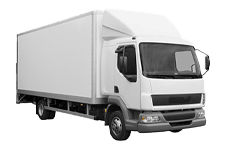
3.5 tonne Luton box with tail lift

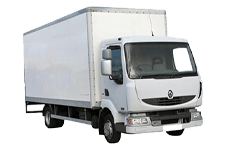
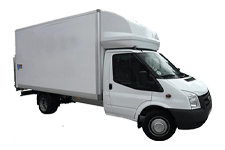
Enclosed box-body category for bulky removals and deliveries where weather protection and assisted loading matter.

Confirm internal dimensions, payload and tail-lift capacity for the allocated vehicle.

Enquire about this vehicle
3.5 tonne tipper Transit hire category

Other vehicle category

3.5 tonne tipper Transit

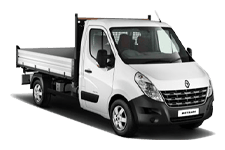
Compact tipping-body category for suitable loose materials and site work.

Waste carriage, destination acceptance, payload and tipping conditions must be confirmed.

Enquire about this vehicle
3.5 tonne recovery truck hire category

Other vehicle category

3.5 tonne recovery truck

Vehicle-transport category with a recovery bed and winch, subject to the carried vehicle's measured weight.

Confirm recovery use, bed rating, carried vehicle weight, licence and insurance before booking.

Enquire about this vehicle
7.5 tonne box truck with tail lift hire category

Other vehicle category

7.5 tonne box truck with tail lift

Larger enclosed-body category for commercial deliveries and removals with assisted loading.

Confirm C1 entitlement, payload, internal body dimensions and tail-lift capacity.

Enquire about this vehicle
7.5 tonne curtainside truck hire category

Other vehicle category

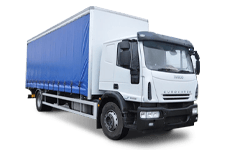
7.5 tonne curtainside truck

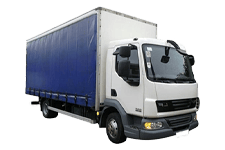
Curtainside body for side access to palletised goods while retaining weather protection.

Confirm C1 entitlement, payload, curtain/body dimensions and load restraint.

Enquire about this vehicle
7.5 tonne dropside truck hire category

Other vehicle category

7.5 tonne dropside truck

Open-sided lorry category for bulky building materials, timber and machinery.

Confirm C1 entitlement, actual payload, bed dimensions, route and unloading method.

Enquire about this vehicle
7.5 tonne tipper truck hire category

Other vehicle category

7.5 tonne tipper truck

Larger tipping-body category for appropriate aggregates, soil and site materials.

Confirm C1 entitlement, operator position, payload, waste rules and tipping-site conditions.

Enquire about this vehicle
7.5 tonne sleeper tail-lift truck hire category

Other vehicle category

7.5 tonne sleeper tail-lift truck

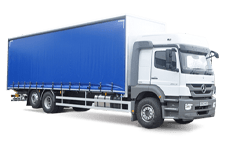
Longer-distance box or delivery category combining a sleeper cab and tail lift.

Confirm body type, sleeper provision, payload, tail-lift capacity and driver requirements.

Enquire about this vehicle
18 tonne box truck hire category

Other vehicle category

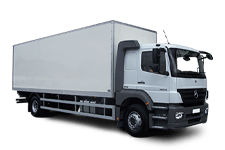
18 tonne box truck

Heavy enclosed-body category for larger commercial transport and distribution requirements.

Specialist heavy-vehicle licensing, operator, insurance and availability checks apply.

Enquire about this vehicle
18 tonne curtainside truck hire category

Other vehicle category

18 tonne curtainside truck

Heavy curtainside category for larger palletised or industrial loads needing side access.

Confirm payload, body dimensions, route restrictions and commercial operating requirements.

Enquire about this vehicle
26 tonne curtainside truck hire category

Other vehicle category

26 tonne curtainside truck

High-capacity rigid curtainside category for substantial commercial loads.

This is a specialist heavy-vehicle enquiry; confirm all operator, driver, route and payload conditions.

Enquire about this vehicle
44 tonne articulated truck hire category

Other vehicle category

44 tonne articulated truck

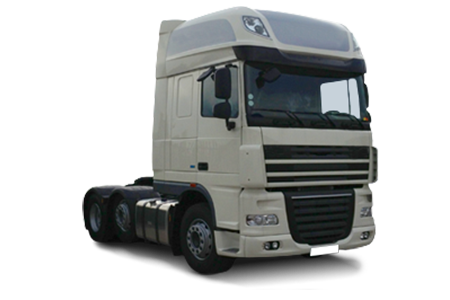
Articulated heavy-goods category for specialist large-scale freight and long-distance commercial work.

Specialist operator, driver, site-access, route, insurance and load-planning requirements apply.

Enquire about this vehicle

Quote checklist

Have the whole job ready

A useful quote begins with the measured load and both ends of the journey.

Flatbed hire questions for Hackney

Is a 3.5 tonne dropside automatically within Hackney's dispensation limits?

No. The council limit is an unladen figure, while a 3.5 tonne rating is the loaded maximum, so the two cannot be compared. Height and overall length count as well, and a bed size proves neither. Ask for the measured figures of the vehicle you will be given.

I need a space kept clear outside my Hackney workshop. Which permission applies?

If specific spaces must be held for the delivery, apply for a bay suspension for the actual job and dates, and allow time for approval. Red routes are managed by Transport for London rather than the council, so check those separately.

Can I drive a 7.5 tonne dropside through Hackney on my car licence?

Usually not. Category B generally covers vehicles up to 3.5 tonnes maximum authorised mass, and you need C1 for vehicles above 3.5 tonnes and up to 7.5 tonnes. Check the plate on the vehicle you are given against the categories on your current licence, and confirm any age or experience conditions the supplier sets.

What restraint should I ask about before collecting timber for a Hackney workshop?

Ask what straps or other restraint come with the hire, if any, and check their ratings. Inspect the anchor points and headboard before loading. Sheeting and rope hooks are not restraint anchor points, and the drop sides alone will not stop a long load sliding forward under braking.

Does timber overhanging the tailboard on a Hackney workshop run need anything extra?

Possibly. Whether you need marking, or advance notice for larger overhangs, depends on how far the load sticks out. Measure it after loading and check the current official guidance. Remember that an overhang also adds to the kerbside space you need while unloading.

Local sources and supporting guidance

Check current rules and the destination signs before travelling. Category specifications are examples, not allocated-vehicle guarantees.